


Accounting software for Ireland
EUR, Irish VAT, cross-border reverse charge and bank feeds, in one ledger that runs your Irish entity alongside the rest of the group. Built for finance teams that have outgrown Xero and would rather not inherit NetSuite.








Irish rules, handled in the ledger
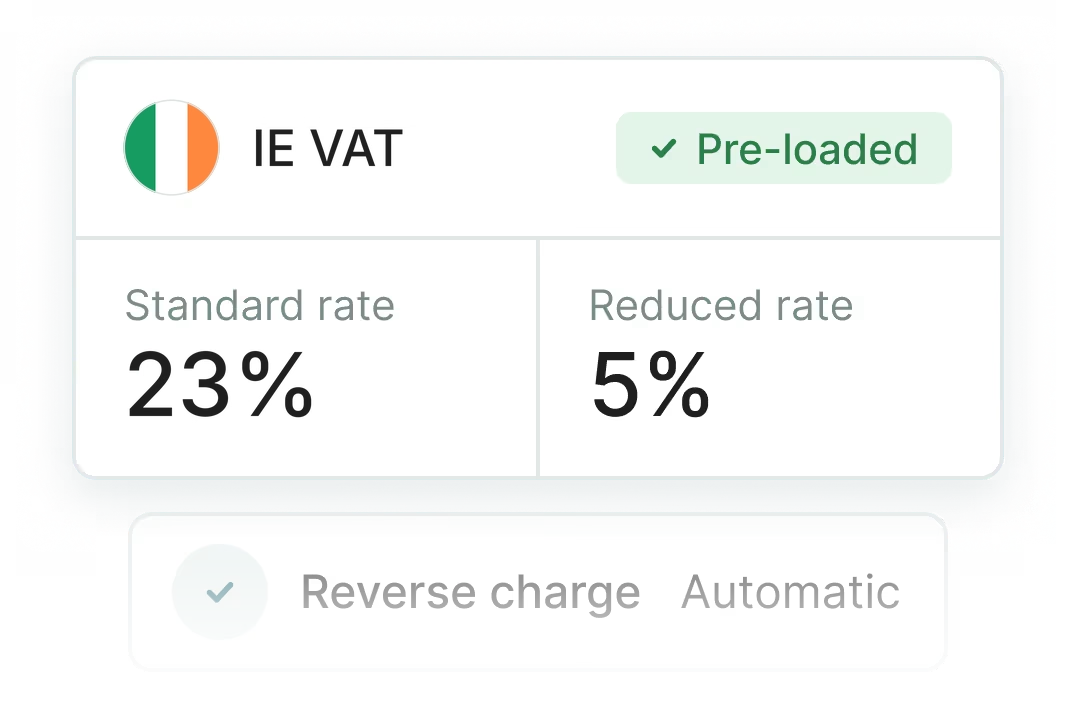
Irish VAT, set up on day one
Irish VAT rates come pre-loaded, from the 23% standard and 13.5% reduced rates to zero-rated and exempt treatments. Cross-border B2B reverse charge, supply-date logic and non-deductible VAT split into recoverable and cost are handled on the transaction, not in a spreadsheet afterwards.
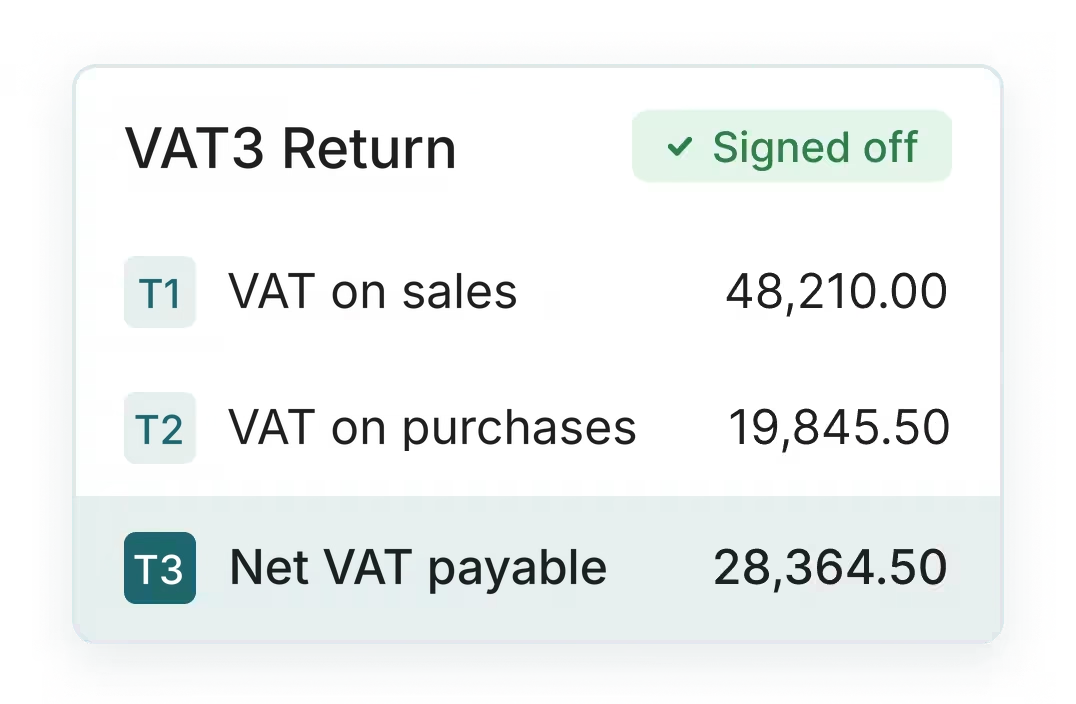
Your VAT Return, ready to review
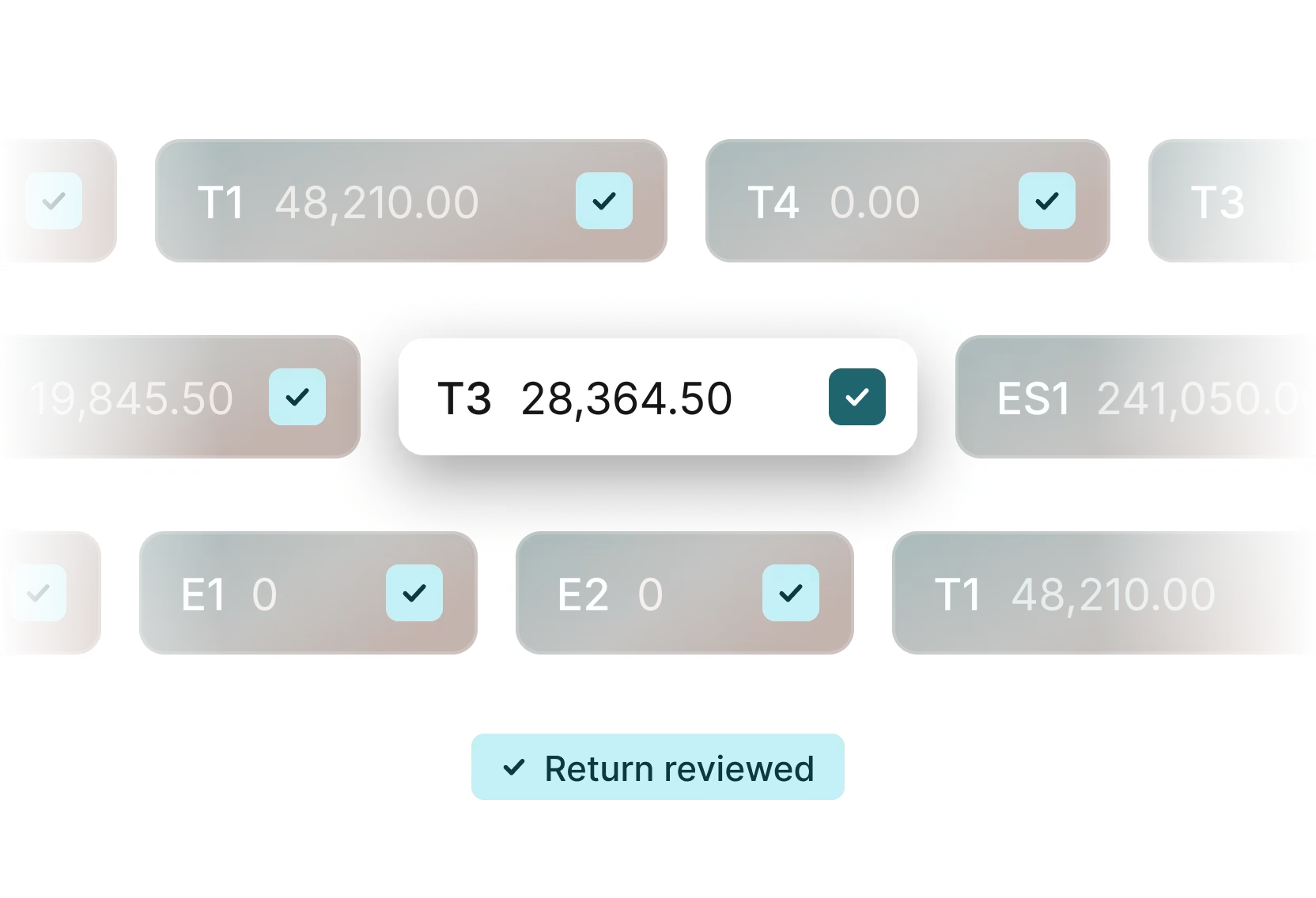
Run the VAT Return report filtered to Ireland and get a transaction-level breakdown by direction and rate type for the period, ready to review before you file.
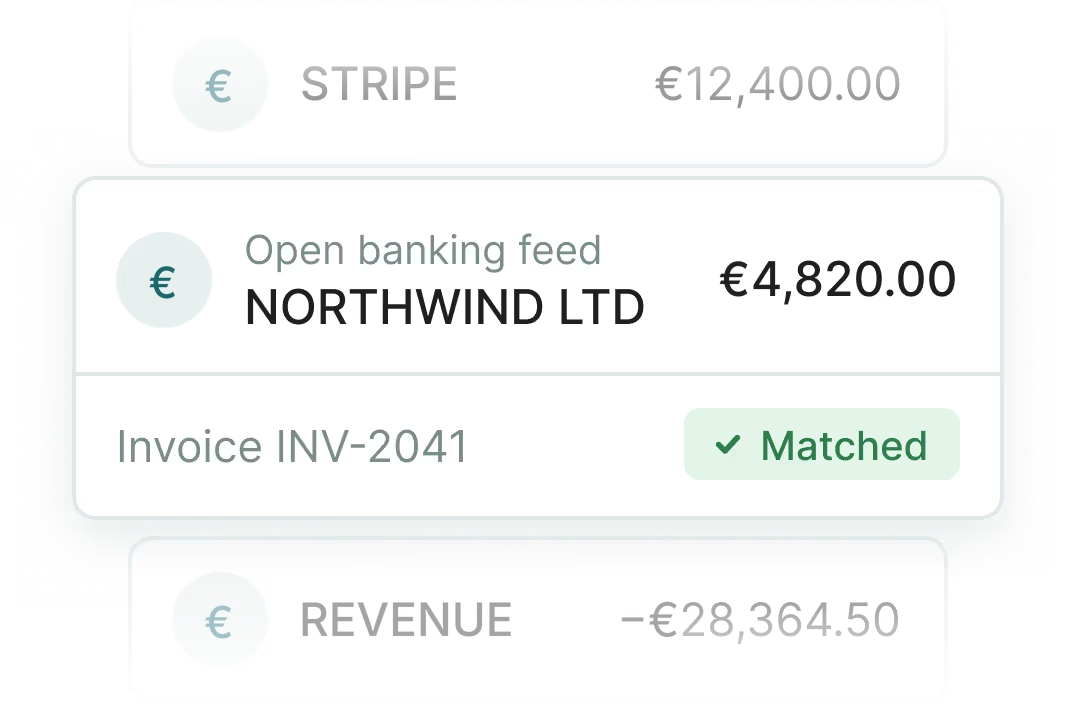
Irish bank feeds and reconciliation
Connect your Irish bank accounts through EU bank feeds, or import MT940 statements where a feed isn't on offer. Reconciliation rules and AI matching propose the matches; your team accepts them.
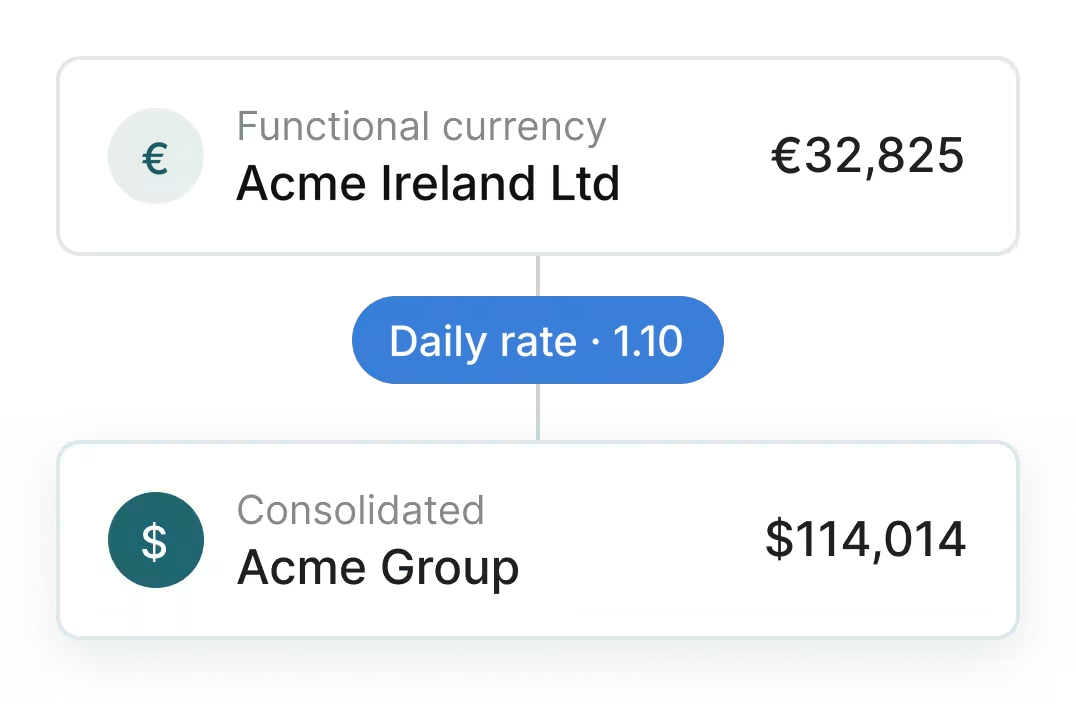
EUR and group reporting
Run EUR as the functional currency of your Irish entity, with daily FX rates, revaluation and CTA. Consolidate it with US, UK or any other entities and report at group level without a rebuild.
Irish VAT, from invoice to Revenue
Most Irish finance teams still finish VAT in a spreadsheet. DualEntry finishes it in the ledger.
Schedule demo

Rates and VAT numbers, on the record
Ireland is one of the VAT countries DualEntry ships with, so the Irish rates are pre-loaded as standard, reduced, zero-rated and exempt treatments, and you can add a custom rate when you need one. VAT numbers sit on every customer and vendor record, and a single counterparty can carry separate VAT IDs for different countries. Pick the rate on each line, including a reverse-charge rate for cross-border B2B supplies, and DualEntry splits non-deductible VAT into its recoverable and cost portions on the rates you mark as non-deductible.
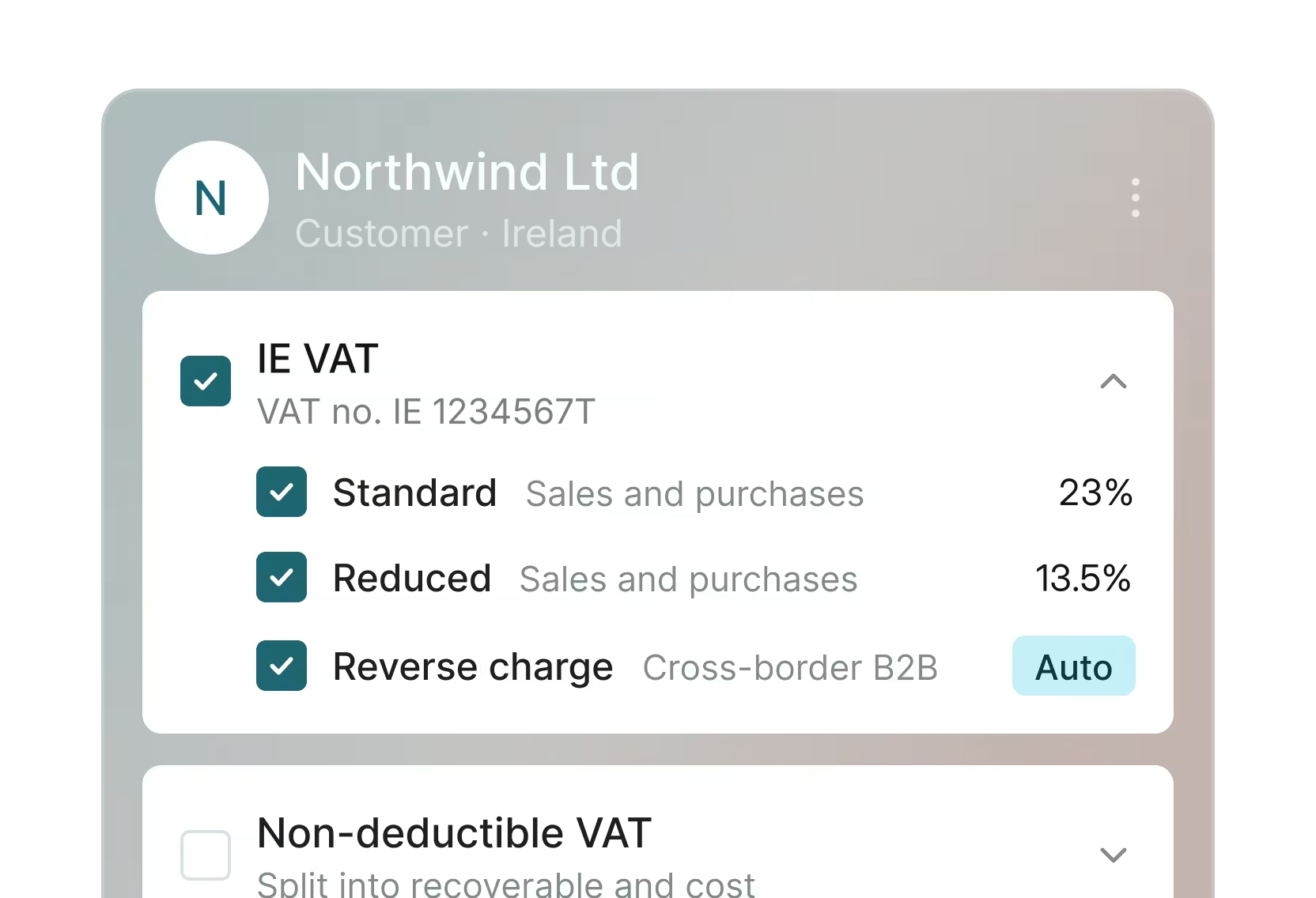
Supply date, not just posting date
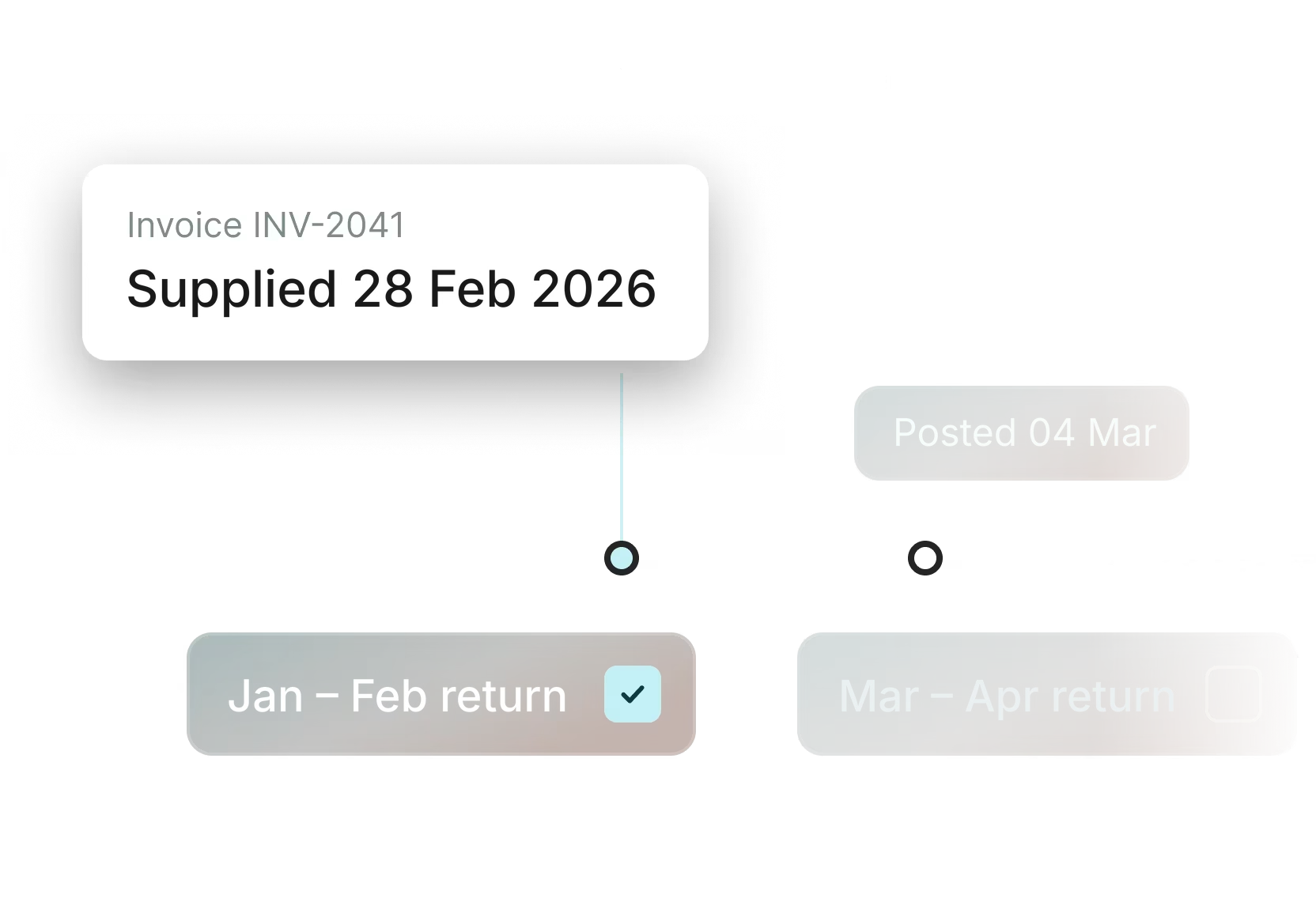
DualEntry records the date of supply separately from the posting date, and the supply date determines which VAT period a transaction falls into. A supply made in February but invoiced and posted in March goes into the January–February return, where it belongs. For a company trading across borders, every transaction also carries its own VAT reporting country, so each entry is assigned to the country whose return it belongs on.
The VAT Return, ready for the period
Run the VAT Return report filtered to Ireland and you get a transaction-level detail view grouped by direction and rate type. Check the reverse-charge entries, review the period, and close it with the return prepared and reviewed in DualEntry.
Built for how Irish finance teams actually work




Leaving Xero, with your history intact
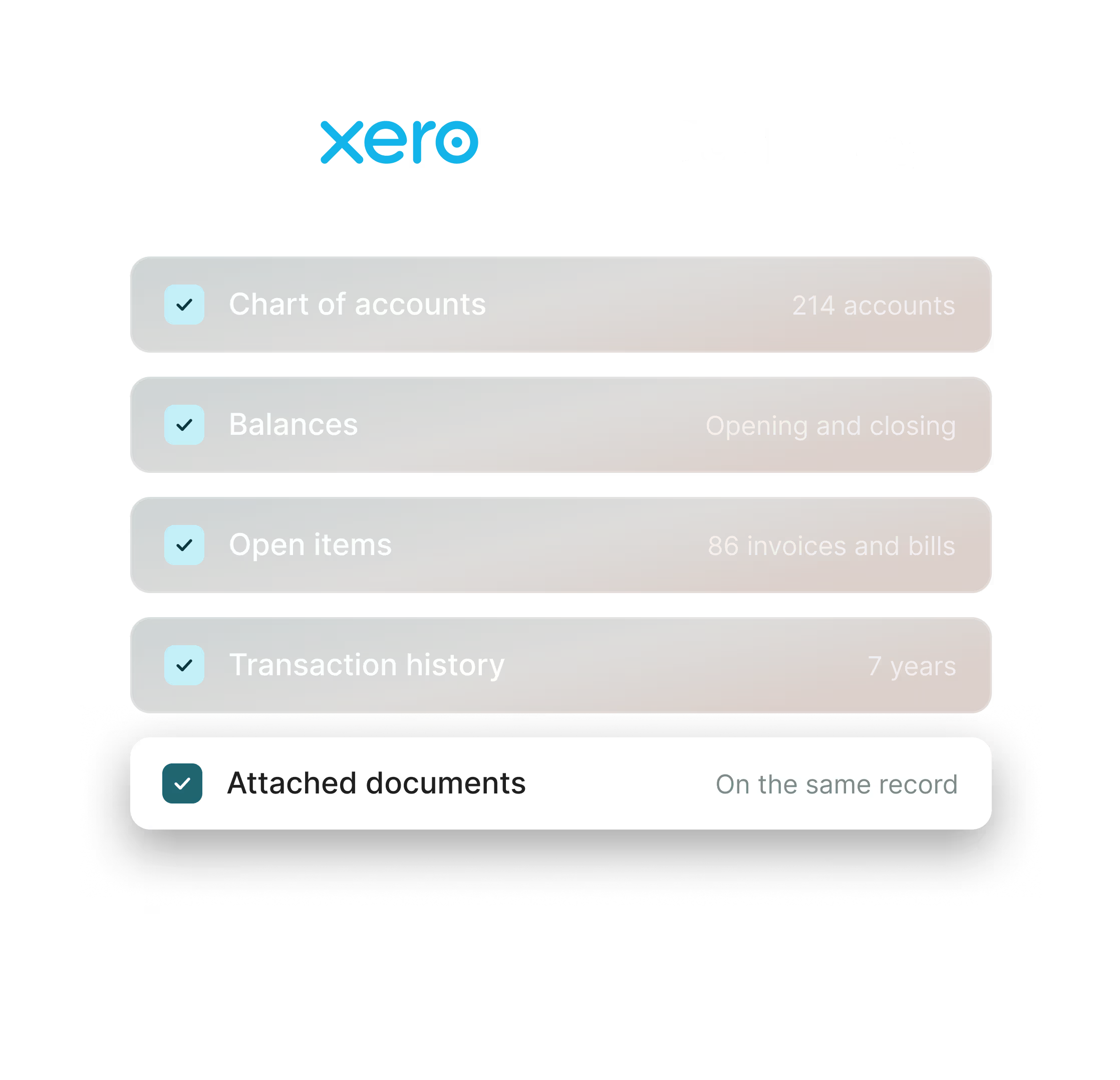
The Xero migration brings across your chart of accounts, balances, open items and transaction history.
Get started
An audit trail you can hand to anyone
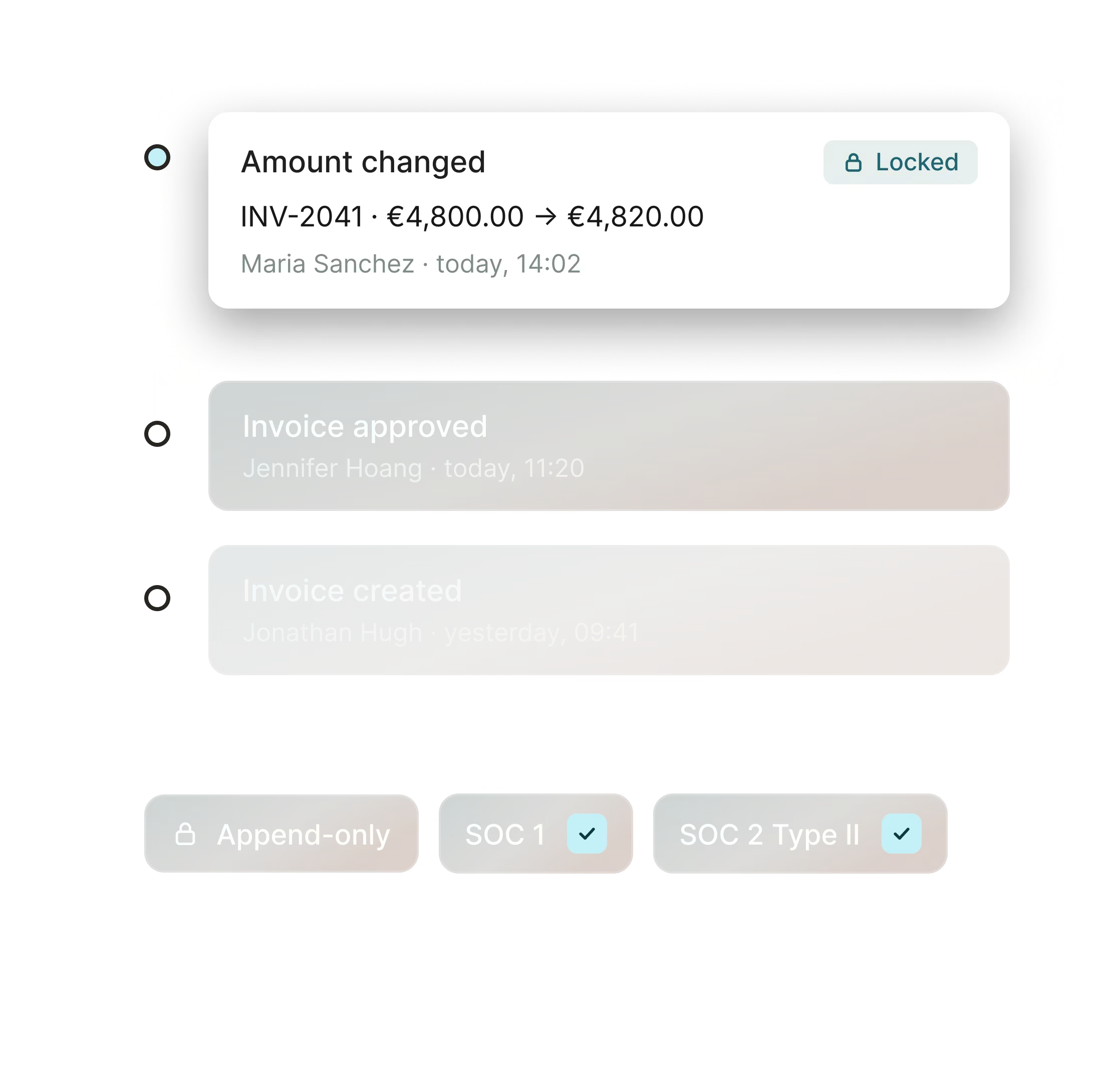
Every data change is captured in an append-only audit trail that nobody, administrators included, can edit or delete. DualEntry holds SOC 1 and SOC 2 Type II attestations, so the controls your auditors and your parent company ask about are already documented.
Get started
Irish dates, not American ones
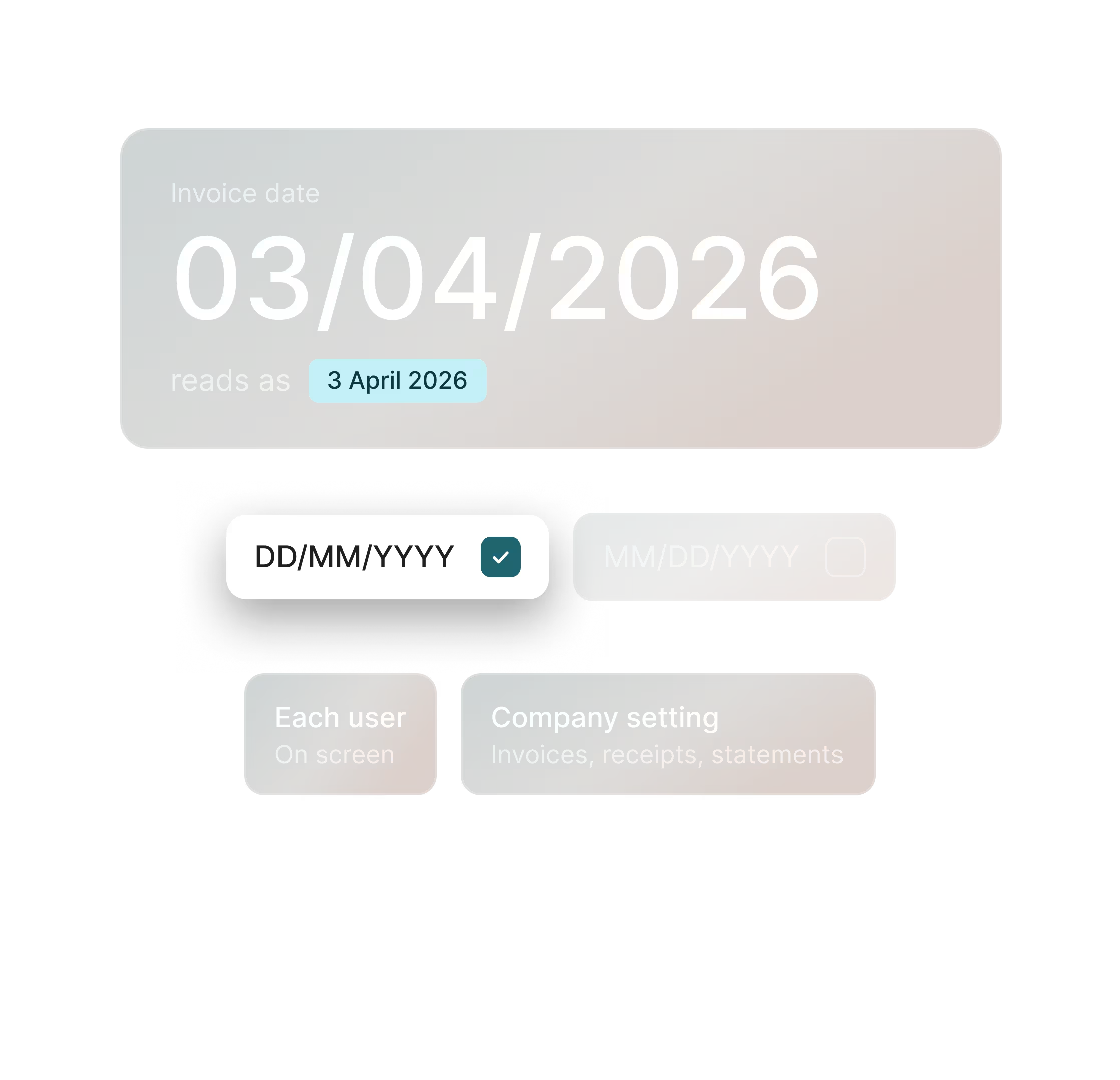
Dates can display in DD/MM/YYYY: each user picks the format they see on screen, and a company-level setting controls invoices, receipts and statements, so 03/04 reads as 3 April on the documents your customers receive.
Get started
The tools your team already runs
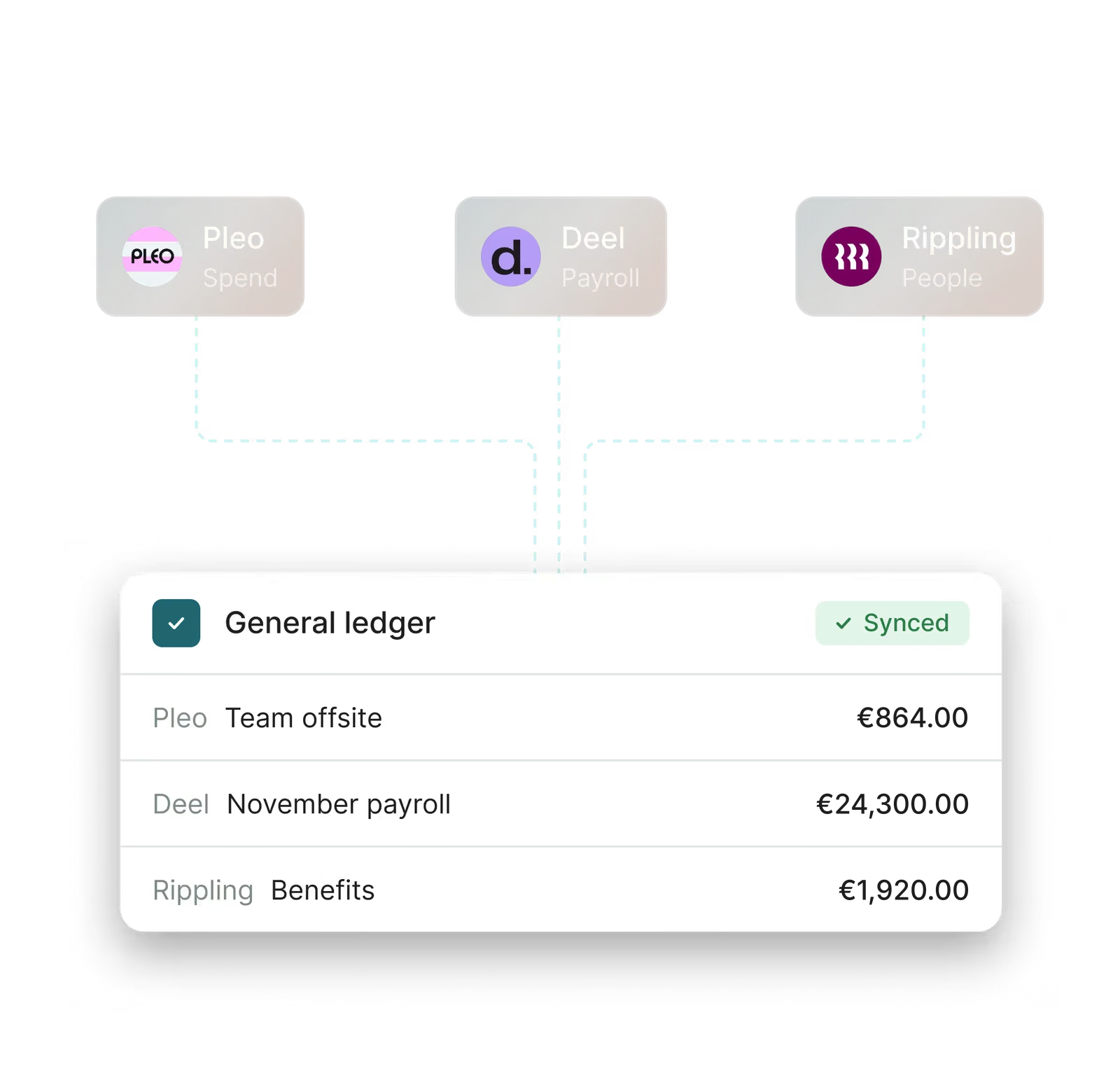
DualEntry integrates with Pleo for spend, carrying the VAT on each transaction into the ledger, and with Deel and Rippling for payroll and people, so expenses and payroll flow into the books from the tools your team already uses.
Get started
Bank feeds for Ireland
Connect your Irish bank accounts and transactions flow into DualEntry through EU bank feeds, typically daily. No downloads, no re-keying, and every bank line is in DualEntry waiting to be matched.
For accounts that don't offer a feed, import MT940 statements over SFTP. The transactions land in the same reconciliation queue as everything else.
From there, reconciliation rules handle the recurring items and Bank Match AI proposes matches for the rest, pairing bank lines to the ledger entries they settle. Your team accepts each suggestion and works the items that stay unmatched. The result is a bank reconciliation you can run daily rather than rescue at month end.






One ledger across Ireland and everywhere else
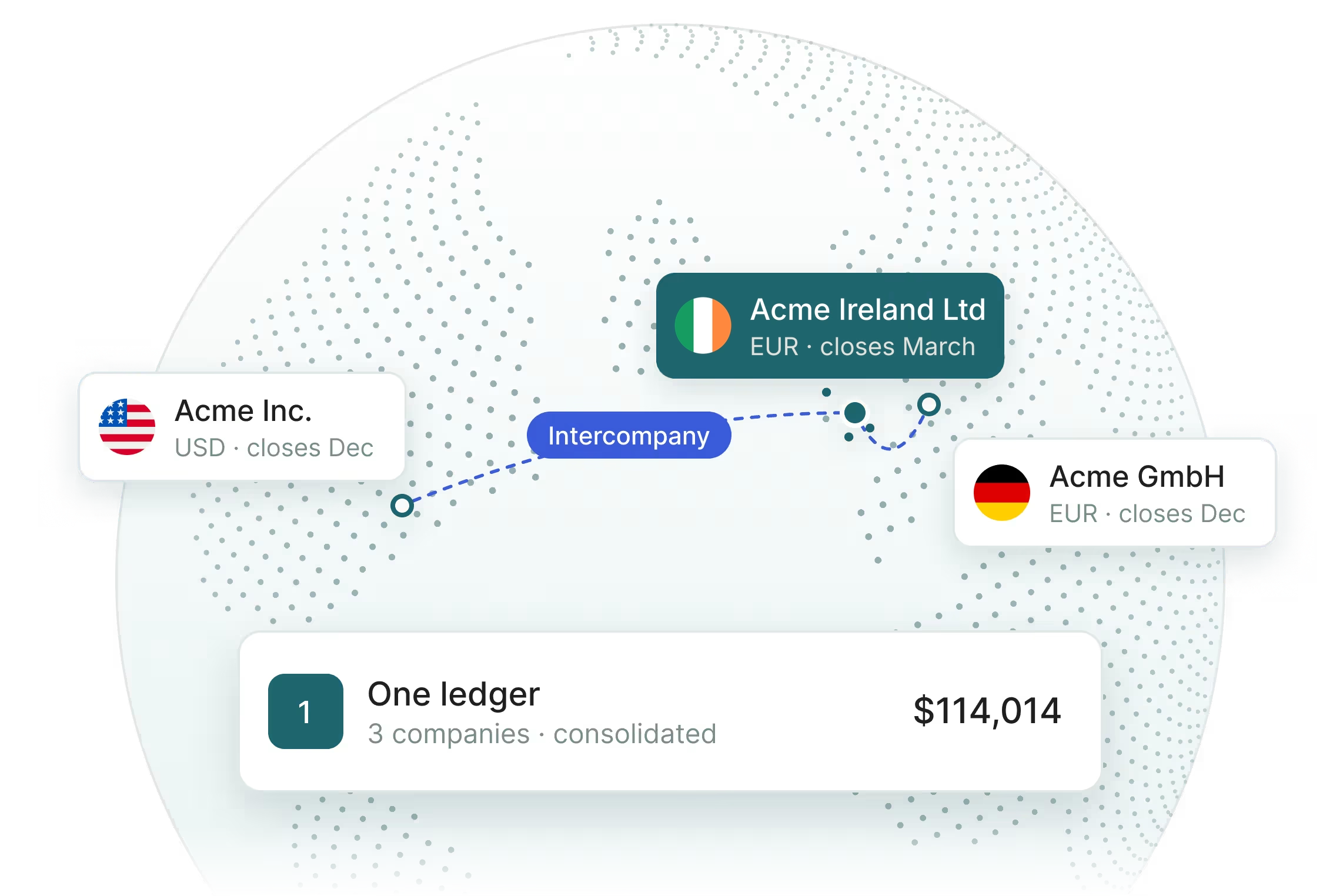
Your Irish Ltd can share one chart of accounts with your US, UK or any other entities, or keep its own, each with its own functional currency, so the Irish books run in EUR while the group reports in whatever currency the board reads. Intercompany transactions post to both sides at once, and eliminations are recorded the moment the intercompany entry is, not bolted on at consolidation. Each company keeps its own year-end, so an Irish entity closing in March and a US parent closing in December live in the same system without a workaround. Consolidated reporting is a filter, not a project. That is the part Xero and QuickBooks were never built for.
“Thanks to DualEntry, we’re able to deal with all the nuances of our $140-million revenue business with a finance team of just one person.”
Accounting software for Ireland FAQs
Does DualEntry support Irish VAT?
Yes. Ireland is one of the VAT countries DualEntry ships with. The Irish rates come pre-loaded as standard, reduced, zero-rated and exempt treatments, VAT numbers are stored on customer and vendor records, cross-border B2B reverse charge is applied on the transaction, and non-deductible VAT is split into its recoverable and cost portions automatically. The supply date, not the posting date, determines the VAT period.
Can I prepare my Irish VAT return in DualEntry?
Yes. The VAT Return report, filtered to Ireland, gives you a transaction-level detail view for the period grouped by direction and rate type. You prepare and review the return in DualEntry with the full workings available, then file your VAT3 through ROS (Revenue Online Service) as you do today; DualEntry does not e-file returns directly.
Does DualEntry connect to Irish bank accounts?
Yes. You can connect your Irish bank accounts through EU bank feeds, and transactions import typically daily. For accounts without a feed, DualEntry imports MT940 statements over SFTP. All imported transactions go through the same reconciliation, where rules handle recurring items and Bank Match AI proposes matches for the rest, each one waiting for your team to accept it.
Can I run an Irish entity and a US entity in the same system?
Yes. An Irish Ltd and a US entity can share one chart of accounts in DualEntry or keep their own, each with its own functional currency, VAT or sales tax setup and year-end. Intercompany transactions post to both entities, eliminations are recorded automatically, and you can report on either entity alone or on the group as a whole, which is where most accounting software built for Ireland runs out of road once a second entity appears.
Does DualEntry support EUR as a base currency?
Yes. EUR can be set as the functional currency for any entity, and each entity in a group can have a different functional currency. DualEntry applies daily FX rates to foreign-currency transactions, revalues open balances at period end and records the cumulative translation adjustment (CTA) when consolidating entities with different functional currencies.
Can I migrate from Xero?
Yes. If you're weighing DualEntry as a Xero alternative, the migration is the first thing to check. DualEntry migrates your Xero data, including the chart of accounts, balances, open invoices and bills, and transaction history. DualEntry's team follows a cutover runbook alongside you rather than leaving the migration to you.
How does DualEntry handle reverse charge VAT on EU and UK purchases?
When a transaction with a VAT-registered business in another country meets the reverse charge conditions, DualEntry applies the cross-border B2B reverse charge on the transaction and stamps a reverse-charge flag on it for audit reference.
Does DualEntry integrate with Pleo, Deel or Rippling?
Yes. DualEntry integrates with Pleo for company spend, carrying the VAT on each transaction into the ledger, and with Deel and Rippling for payroll and people data. Expenses and payroll flow into the ledger from those systems, coded to the right entity and account, so your month-end close doesn't depend on exports from three separate tools.
Is DualEntry suitable for an Irish subsidiary of a US company?
Yes. The Irish subsidiary runs in EUR with Irish VAT, Irish date formats and its own year-end, while the US parent sees it inside the group consolidation with intercompany balances eliminated automatically. One system, one set of controls, two sets of local books.
Is my data secure?
Yes. DualEntry holds SOC 1 and SOC 2 Type II attestations, encrypts data in transit and at rest, and records every data change in an append-only audit trail with the user and timestamp, so you can trace any figure in your accounts back to who entered it and when. Your auditors can see the same history you can.