DualEntry vs MS Dynamics
Microsoft Dynamics needs consultants, DualEntry doesn’t. DualEntry offers AI insights, built-in automations, audit-ready controls, and advanced analytics without hidden costs or tech hurdles.
Why companies switch
Simpler to run
DualEntry works out of the box with an intuitive, finance-first UI and modern workflows, designed for responsive interaction (tested for ~250ms response times). Microsoft Dynamics often requires significant configuration, partner-led customization, and ongoing admin effort to support real-world accounting needs.
AI-native by design
DualEntry uses AI to surface anomalies, explain variances, and automate reviews in real time, supported by native, in-house integrations built and maintained by the DualEntry team. Dynamics relies on reports, queries, and manual investigation layered on top of the core system.
Faster close, clearer visibility
DualEntry provides real-time multi-entity visibility and live consolidated insights. Dynamics typically depends on batch processing, integrations, and static reporting that slow close and decision-making.
See what sets us apart
Key Features |  |  |
|---|---|---|
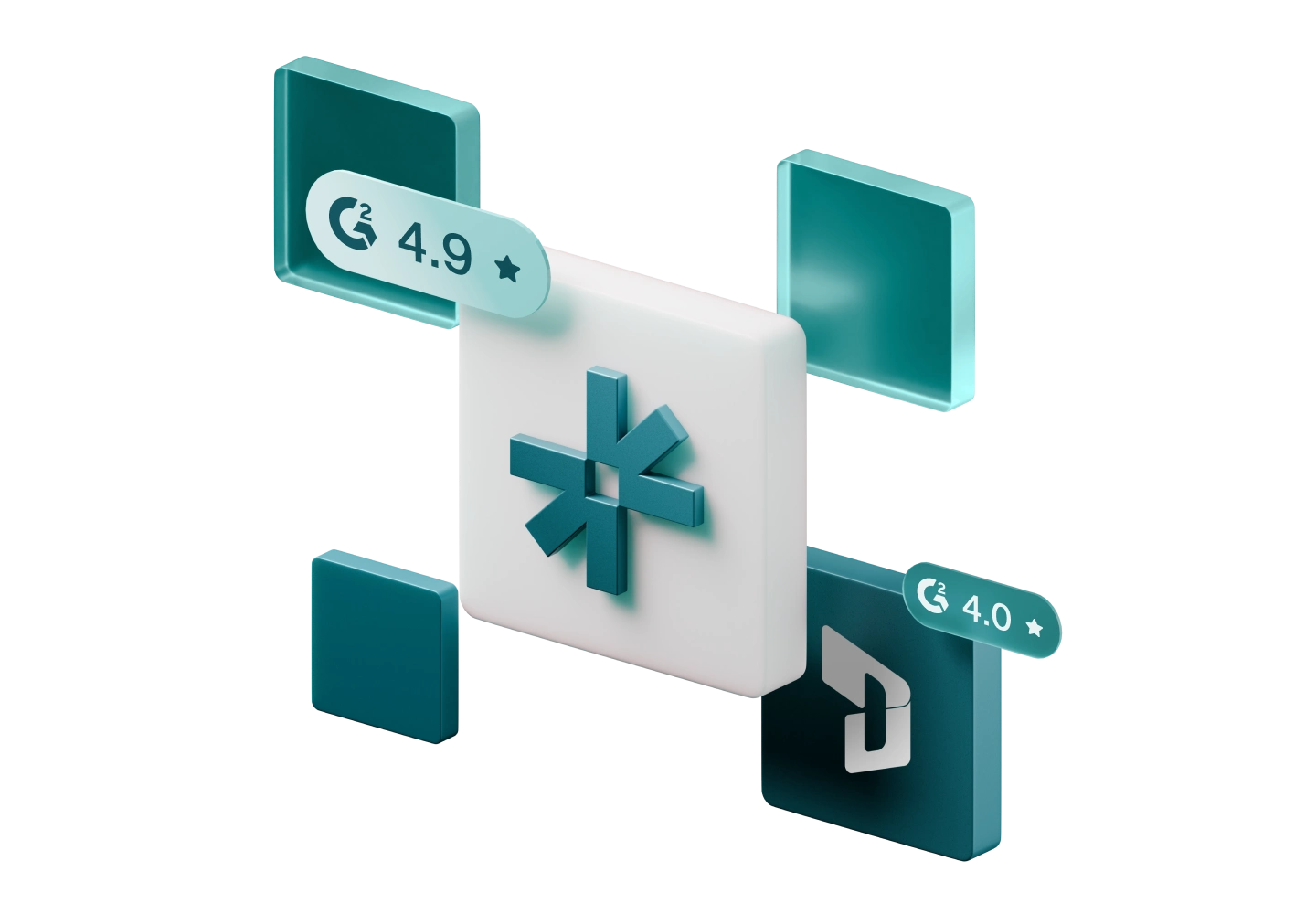
G2 Reviews | 4.9  | 4.0 .svg) |
Migration | 24 hours * | 3-5 business days |
Integrations | +13,000 | |
Intercompany reports | ||
Approval workflows | ||
Integrated sign-offs and tie-outs | ||
Balance-change alerts | ||
Intuitive UI | ||
Responsive Interaction | ||
AI intercompany netting | ||
AI-assisted bulk import | ||
AI-generated summaries | ||
AI recurring-invoice management | ||
AI cash insights | ||
AI tax management | ||
AI Anomaly Detection |

Why these companies chose DualEntry


DualEntry implementation is quick and easy
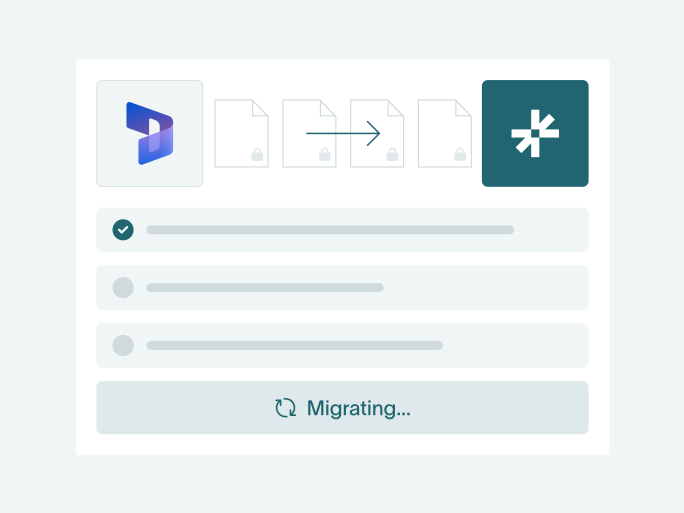
Seamless migration
Your data's encrypted and backed up while it's migrated to DualEntry. None of your data is changed in other systems during or after migration.
Implementation is always included
We sell software, not services – so we don’t profit from long implementations. Go live fast. Transparent pricing. No upsells.
Tailored to you
One size doesn’t fit all. That’s why we work with both pre-defined templates and customizable solutions, delivered through an intuitive, finance-first UI.
DualEntry vs Microsoft Dynamics FAQ
Is DualEntry a good alternative to Microsoft Dynamics?
Yes, for finance teams that would rather not run an ERP through Microsoft's ecosystem and a partner. Dynamics 365 is capable. It's also complex, partner-implemented, and usually tied to Power Platform and Azure. DualEntry is a standalone, AI-native ERP with real-time consolidation, automated close, and 13,000+ integrations, implementation included. For SaaS and mid-market finance, that's much less to manage.
How much does Microsoft Dynamics 365 cost compared to DualEntry?
Dynamics 365 Business Central runs about $70 to $110 per user a month, and the Finance app costs more. Implementation through a Microsoft partner usually adds $25,000 to $150,000, often more than the licenses. Licensing gets complicated fast across apps and add-ons. DualEntry uses two plans, Plus and Ultra, implementation included. Request a quote for your entities and users.
Do you need the Microsoft ecosystem to run DualEntry?
No. Dynamics 365 tends to assume you already live in Microsoft's world: Power Platform, Azure, and a certified partner to configure and maintain it. DualEntry is a standalone, cloud, AI-native ERP your finance team runs directly. No Microsoft stack, no partner, and it connects to 13,000+ tools you already use.
Is DualEntry faster to implement than Microsoft Dynamics?
Yes. Microsoft doesn't implement Dynamics 365 itself. A certified partner rolls it out over months, and that implementation is usually the biggest line in the budget. DualEntry is CPA-led with implementation included, and you're typically live in about 4 to 8 weeks, with no partner engagement or per-hour consultant fees.
Why do companies choose DualEntry over Microsoft Dynamics?
Less complexity, less dependency. With Dynamics 365 you're signing up for partner-led rollouts, a busy interface, layered licensing, and a consultant on call for every change. Teams choose DualEntry for AI-native automation, a faster close, simple bundled pricing, and an ERP finance can run on its own. That's a bigger draw for SaaS and mid-market companies outside the Microsoft stack.
Is Microsoft Dynamics still the better choice?
Sometimes. If you're already deep in Microsoft, running Teams, Azure, and Power BI, and you want one vendor across ERP, CRM, and productivity, Dynamics 365's breadth can be worth it. DualEntry is built for AI-native finance at SaaS and mid-market scale-ups. If what you want is a focused, simpler finance platform, it's the faster fit.